

 English
 русский
 عربى
عربى 28/09/2026 Industry
Battery Energy Storage System Containers: Design, Benefits, and Selection Guide
Content
- 1 What Is a Battery Energy Storage System Container?
- 2 Core Components Inside a BESS Container
- 3 Why Choose a Container Format?
- 4 Key Design Considerations for BESS Containers
- 5 BESS Containers in Hybrid Solar and Generator Systems
- 6 Application Scenarios for Containerized Battery Storage
- 7 How to Specify the Right BESS Container for Your Project
- 8 Summary
A mining camp in a remote area runs eight hours of diesel generation every day just to power lighting, communication, and small machinery. Fuel logistics eat the budget, and noise disturbs the crew. A battery energy storage system container would not only cover the daily load with solar-charged batteries, but also act as a reliable backup when clouds roll in. That is why BESS containers have moved from utility-scale projects to distributed off-grid sites. In this article, you will learn what these containers are, what to check before you buy, and how a modular PV-ESS container fits into real project needs.
What Is a Battery Energy Storage System Container?
A battery energy storage system container is a self-contained energy storage unit built inside a standardized shipping container enclosure. It integrates battery racks, a battery management system (BMS), a power conversion system (PCS), thermal management, and fire protection into one transportable package. The container itself acts as the mechanical structure, weatherproof housing, and thermal barrier.
Unlike ground-mounted battery racks installed on site, a BESS container is factory-assembled and tested before delivery. That reduces installation time and avoids complex on-site assembly. For an off-grid solar project, the same container can also include solar charging electronics and a generator interface, becoming the electrical heart of the entire microgrid.
Core Components Inside a BESS Container
To compare different battery energy storage system containers, you need to understand the essential subsystems. The table below lists the main components and their functions.
| Subsystem | Function |
|---|---|
| Battery racks | Store DC electricity in lithium-ion or other cells |
| Battery management system (BMS) | Monitors voltage, current, temperature, and state of charge |
| Power conversion system (PCS) | Converts DC to AC and controls charging or discharging |
| Thermal management | Heats or cools the enclosure to keep cells within safe limits |
| Fire suppression system | Detects smoke and releases extinguishing agent inside the rack area |
| Container enclosure | Protects equipment from weather, dust, and transport damage |
The quality of these subsystems determines the container’s safety, lifespan, and operating environment range.
Why Choose a Container Format?
There are practical reasons why battery storage is shipped in a container rather than assembled on site. First, it compresses the entire supply chain: equipment is mounted, wired, and tested in a factory, so site work is limited to concrete pads and cable connections. Second, the standard ISO footprint simplifies road, rail, and ocean shipping. Third, containers provide mechanical strength and a uniform thermal envelope, which makes performance predictable in hot or cold climates.
The same logic applies to mobile and off-grid power. A containerized system can be repositioned when the project moves, and additional containers can be added in parallel to increase capacity. For companies that need deployable energy systems that follow changing demand, this modularity is a clear advantage. Factory assembly and testing are exactly why the manufacturer’s broader line of containerized solar power generation systems can be replicated with consistent quality.
Key Design Considerations for BESS Containers
Not all battery energy storage system containers are equal. Here are the areas engineers should check before approving a design.
Battery Chemistry and Cycle Life
Most modern BESS containers use lithium iron phosphate (LFP) cells because of their stable thermal behavior and long cycle life. Verify the expected cycle count at your specific depth of discharge. A container rated for 6,000 cycles at 80% depth of discharge will serve a daily cycling project for more than 15 years.
Thermal Management Strategy
Lithium batteries work well between 15°C and 30°C. Liquid cooling performs well in high ambient temperatures and dense rack arrangements, while air cooling is simpler and cheaper for smaller systems. Check whether the thermal system can maintain cell temperature with minimal parasitic power consumption.
Safety and Fire Protection
BESS containers should have multilayer protection: a BMS that detects abnormal voltage or temperature, a safety valve in each cell, and a fire suppression system large enough for the enclosed volume. Also verify that the container design includes smoke detection, emergency venting, and thermal runaway containment.
Scalability and Future Expansion
Ask whether the container can be paralleled with additional units without downrating. A modular BESS container should allow AC or DC coupling with solar PV and generators, so you can start with a smaller system and expand later.
Power Conversion System Sizing
The PCS must convert the full battery discharge power to the voltage and frequency required by your loads. For off-grid systems, consider the largest motor start current and the maximum simultaneous load. Oversizing the PCS slightly adds cost but prevents nuisance trips.
Communications and Monitoring
BESS containers should support common protocols such as Modbus TCP and provide remote monitoring through a local HMI or cloud platform. Check that the alarms, state of charge, and thermal data can be integrated with your existing control system.
BESS Containers in Hybrid Solar and Generator Systems
In many off-grid projects, solar alone is not enough. Night load, seasonal weather, and occasional high peaks require a second energy source. A battery energy storage system container can be combined with solar PV and a diesel generator to form a hybrid microgrid. The BESS absorbs solar fluctuation, reduces generator run time, and provides fast response to load steps.
When the generator must remain part of the design, a single integrated package can simplify procurement and integration. For complete independence, the combines photovoltaic input, battery storage, and diesel generator connection in one container. This is especially useful for first-time deployment in remote areas where the installation team has limited access to specialized support.
Application Scenarios for Containerized Battery Storage
BESS containers support a wide range of operating environments. Common uses include temporary construction power, emergency response centers, mining camps, and remote telecom sites. In all these cases, the container provides a weatherproof envelope and a single electrical interface.
During a flood relief operation, a portable PV-ESS container can be set on a gravel pad and provide 24-hour power for pumps, lighting, and communication shelters. The same unit is then moved by flatbed truck to the next stage of the operation. That flexibility is why many emergency planners now specify containerized storage instead of rented generators.
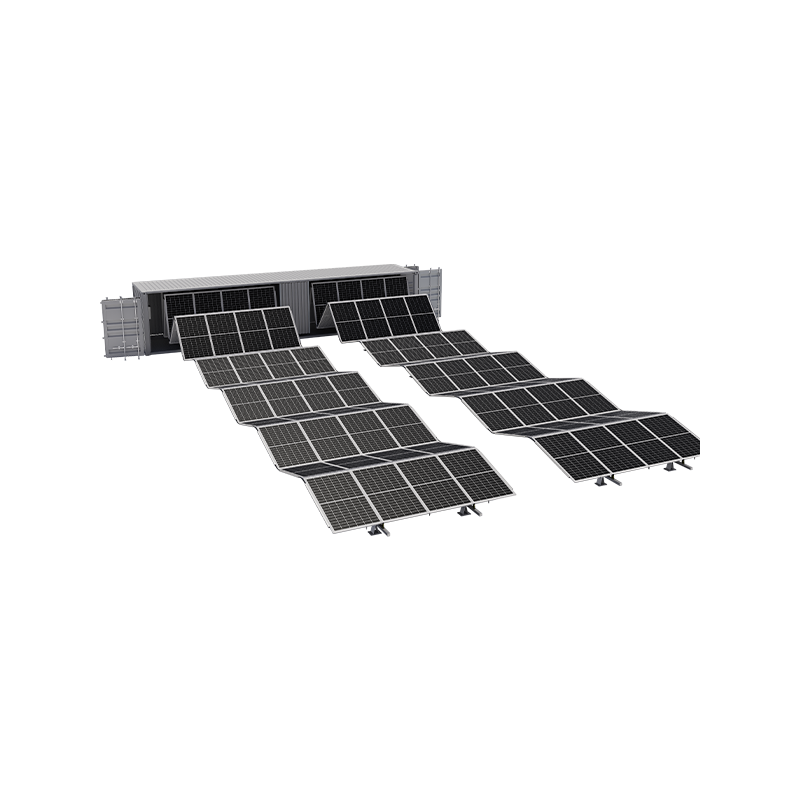
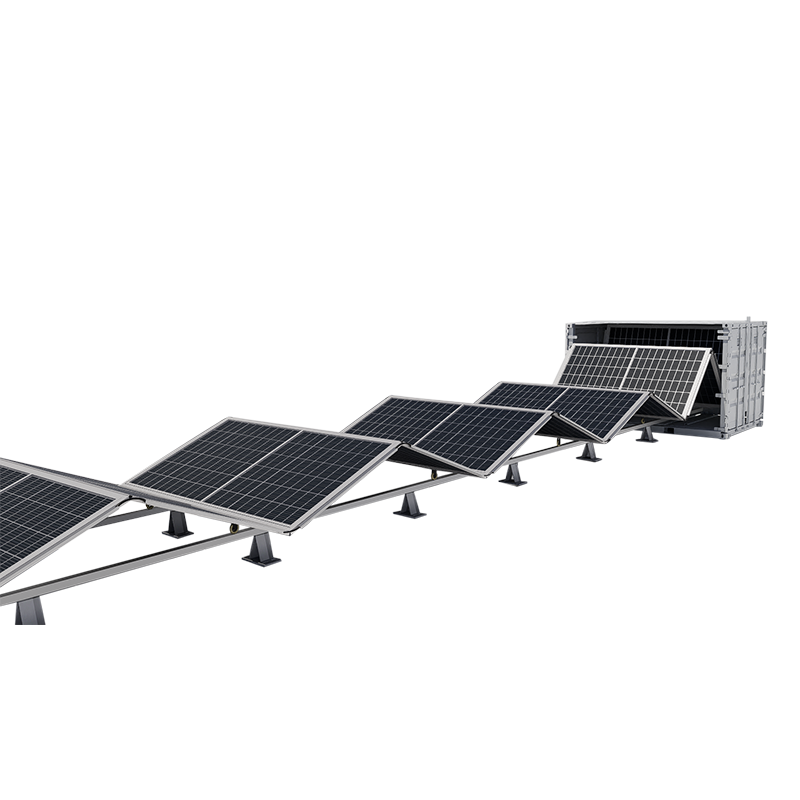
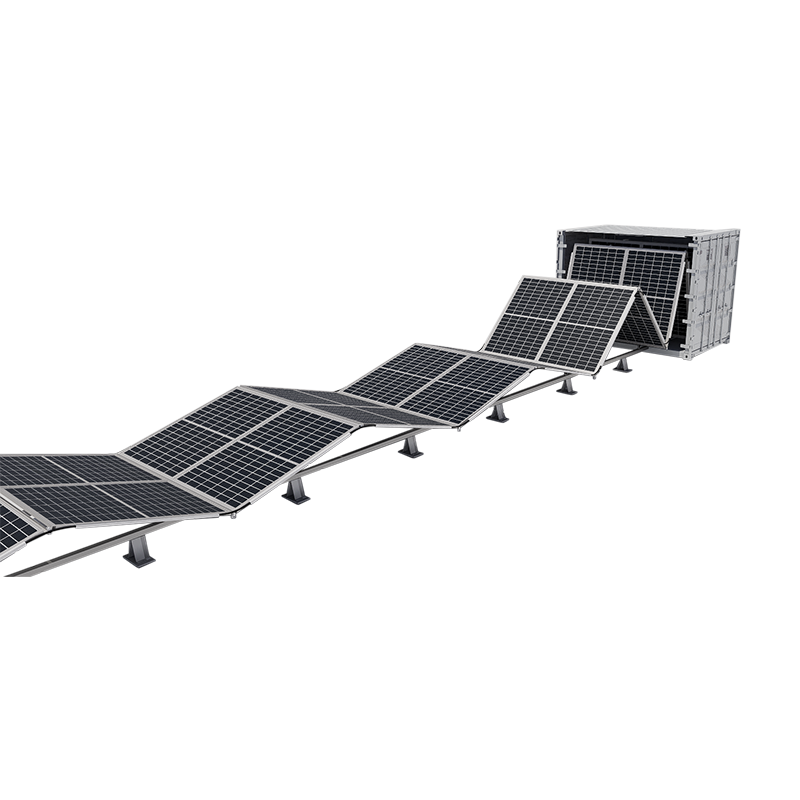
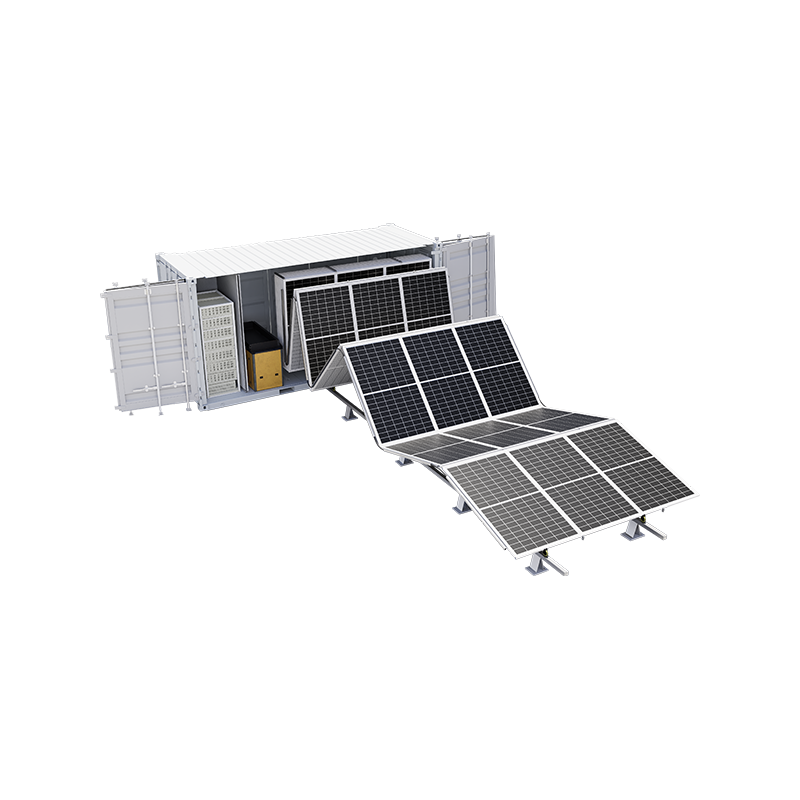
One particularly flexible option is the 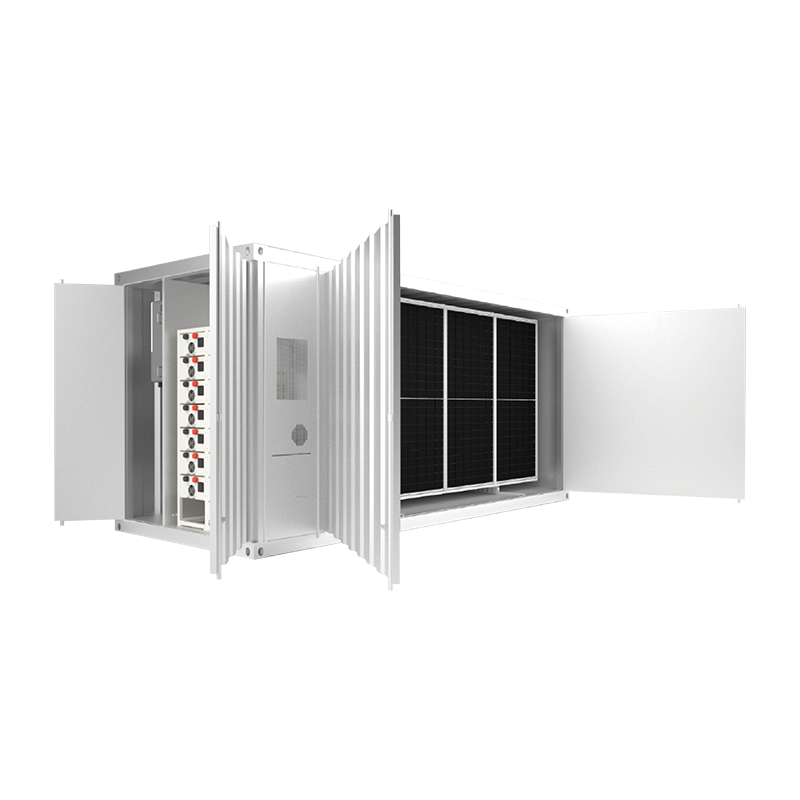 Portable and Scalable PV-ESS Container with 110kWp Solar and 241kWh StorageThis modular microgrid container integrates solar panels, battery storage, and inverter in a 20HQ unit. It supports phased expansion and suits changing load patterns, with factory testing for fast deployment.View Product →. It is designed for projects with changing load patterns: you can start with one container and add another when operations expand. This approach avoids buying oversized equipment in the first phase.
How to Specify the Right BESS Container for Your Project
Start by defining the load profile over 24 hours, the required autonomy in days, and the ambient temperature range at the installation site. These three inputs directly determine battery capacity, PCS rating, and thermal system design. Then consider the following questions:
- Will the container be used for primary power, backup, or grid interaction?
- Is the site accessible by crane, forklift, or truck?
- What local certifications and grid codes apply?
- Do you need the container to integrate with existing solar panels or a genset?
Every project has its own constraints. A 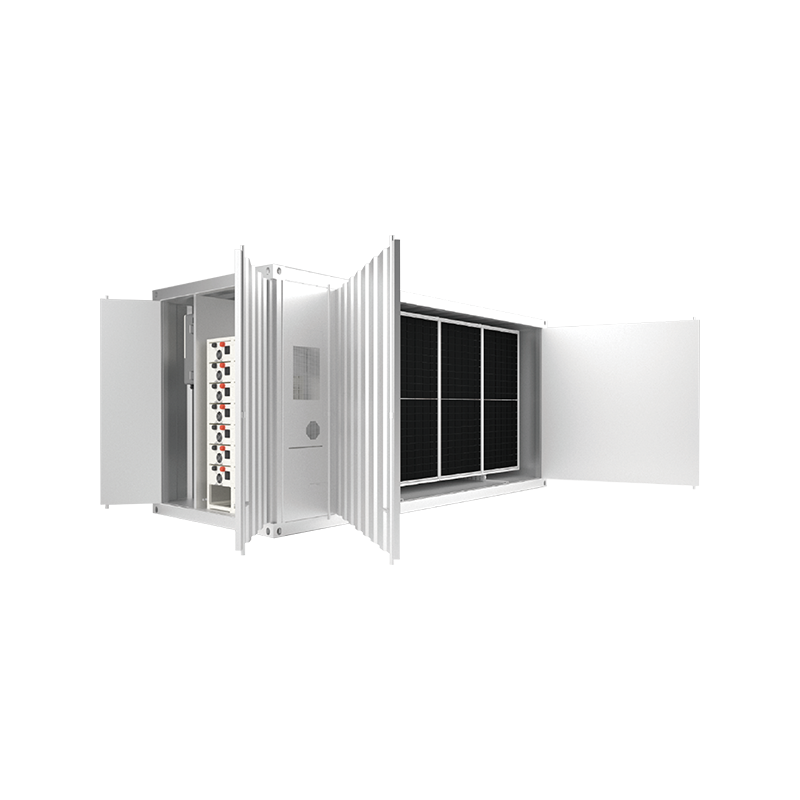 Customized BESS Container Solution for Site-Specific RequirementsTailored container system adjusts power rating, communications, and layout while retaining factory integration. Useful for projects with unique constraints, with documented four-stage installation support.View Product → lets you adjust voltage levels, communications protocols, and physical layout without compromising the factory-assembled approach. For any serious procurement decision, request a system single-line diagram, thermal simulation data, and the supplier’s test records.
Documents to request include a factory test report, thermal validation, and a hazard analysis for fire safety. A transparent supplier will share these before contract signature.
Summary
Battery energy storage system containers are a practical way to deliver reliable electricity to sites that lack grid infrastructure. They compress engineering, installation, and testing into a single transportable unit. When you evaluate a supplier, look beyond capacity figures: examine thermal management, safety, modularity, and integration experience. For mobile solar and storage systems, scalable container configurations offer the easiest path from a small pilot to a full-scale microgrid. Once you have defined your loads and operating environment, the next step is to compare candidates on safety, delivery record, and after-sales response.
You May Also Like
Copyright © Ampora Technology Co., Ltd. All Rights Reserved.
Mobile Solar Container Manufacturers Solar Power Container Solution