

 English
 русский
 عربى
عربى 09/09/2026 Industry
The "Last Mile" of Off-Grid Power: How Mobile Energy Is Transforming Remote Areas
Content
- 1 At a Guinea Mining Site: A 1MW Foldable PV System Acts as a "Giant Power Bank" for Bauxite Mines
- 2 Packing a "PV Power Station" into Shipping Containers
- 3 Annual Fuel Cost Savings Exceed One Million Yuan
- 4 From Mines to the Globe: The Blueprint of Zero-Carbon Mobile Energy
- 5 Last-Mile Service Capability
- 6 LONGi Green Energy’s "2830 Plan"
At a Guinea Mining Site: A 1MW Foldable PV System Acts as a "Giant Power Bank" for Bauxite Mines
Guinea is home to some of the world’s richest bauxite resources. However, mining sites are often located in remote areas beyond the reach of municipal power grids. The conventional solution is simple: diesel generators running day and night. Yet they bring a host of problems: high fuel costs, difficult transportation, deafening noise and excessive emissions. Worse still, mining sites need to be relocated periodically. Once built, fixed power stations represent a one-time investment that cannot be moved or reused.
Packing a "PV Power Station" into Shipping Containers
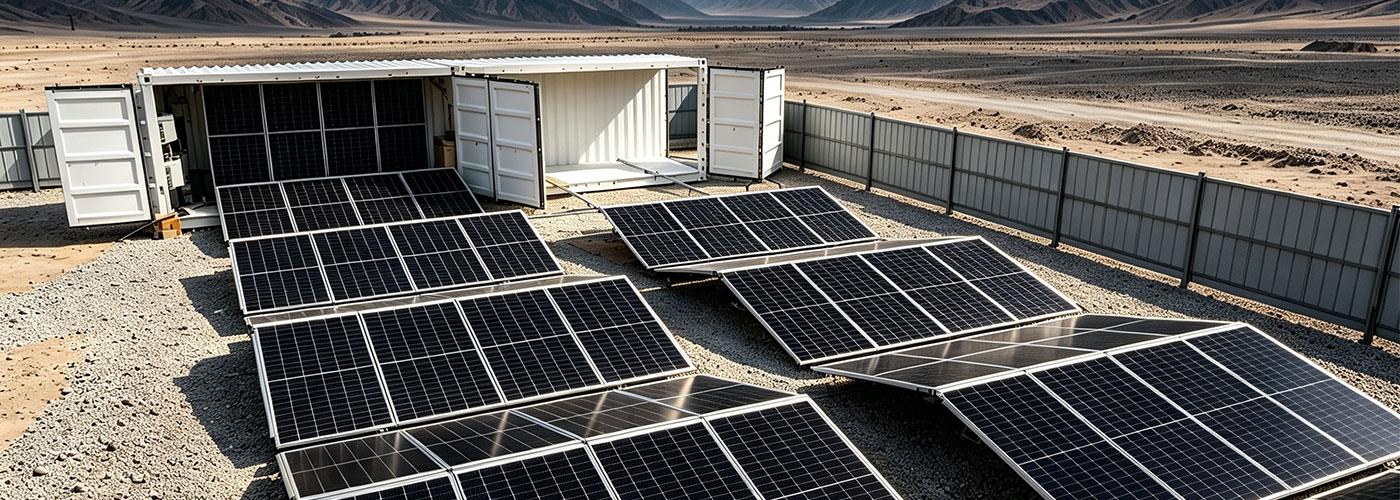
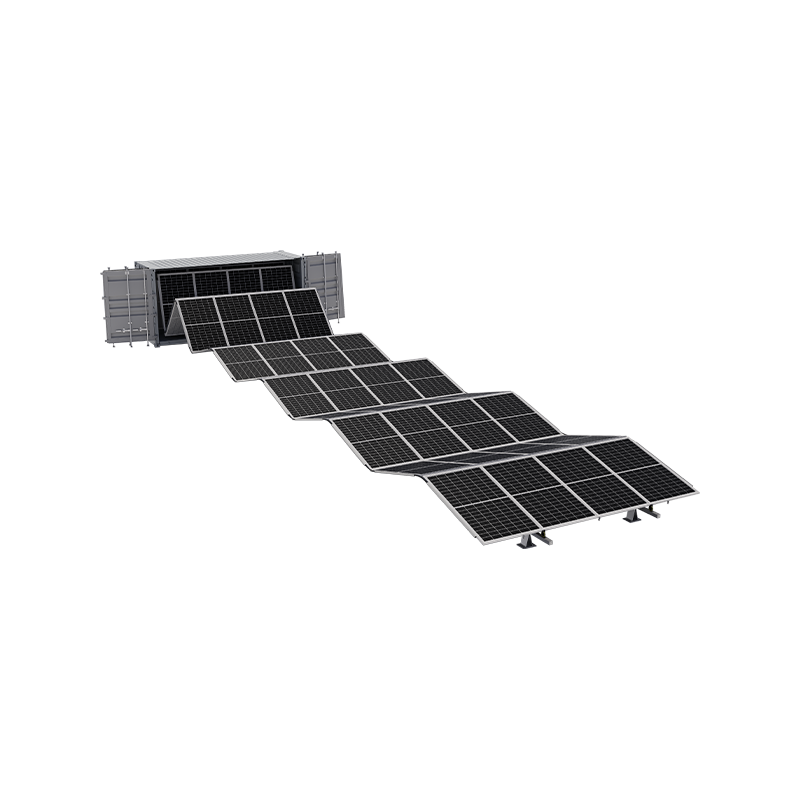
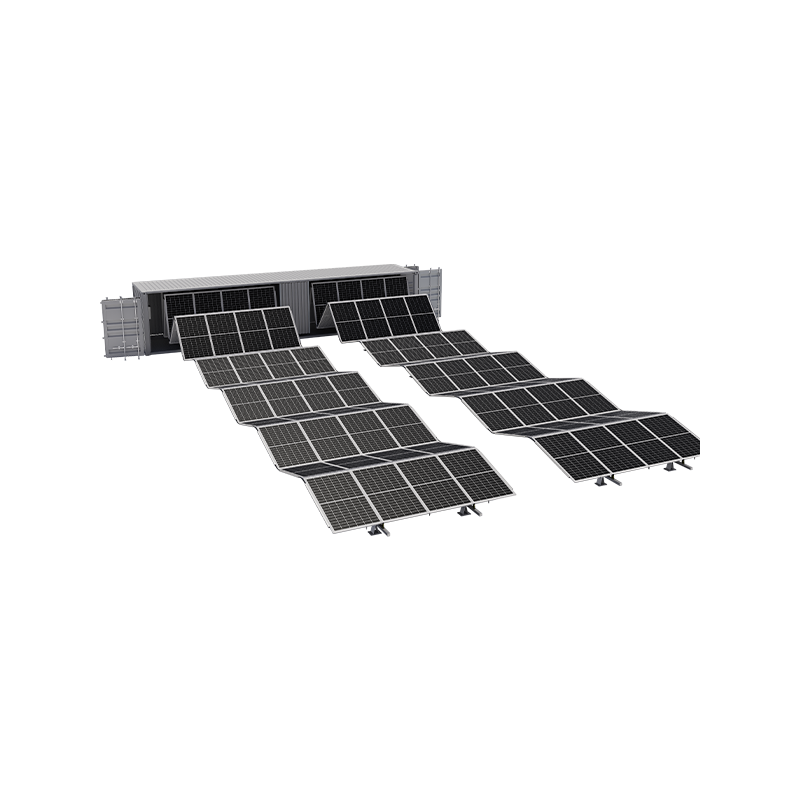
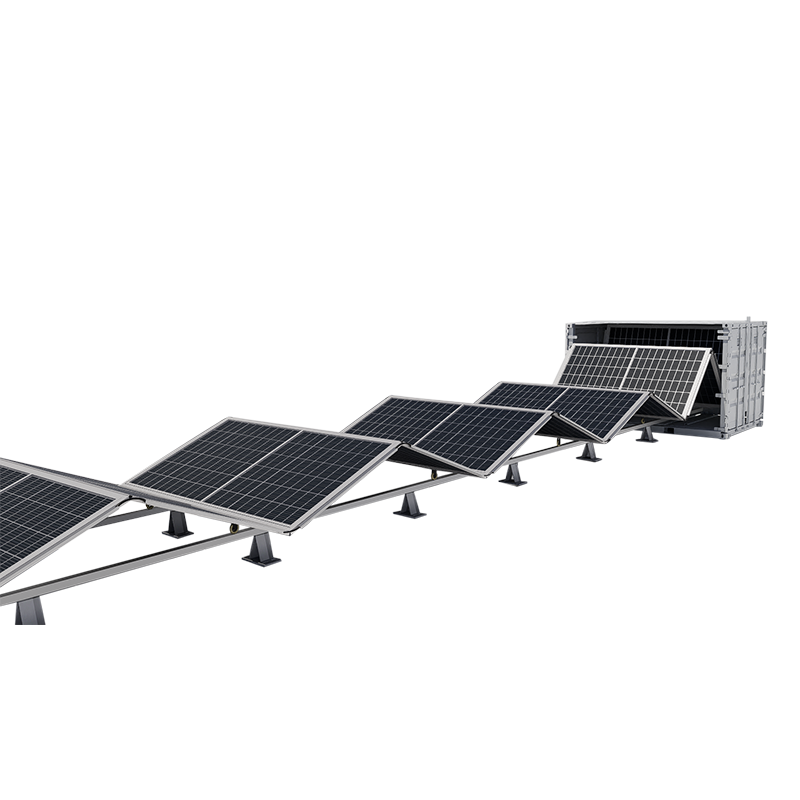
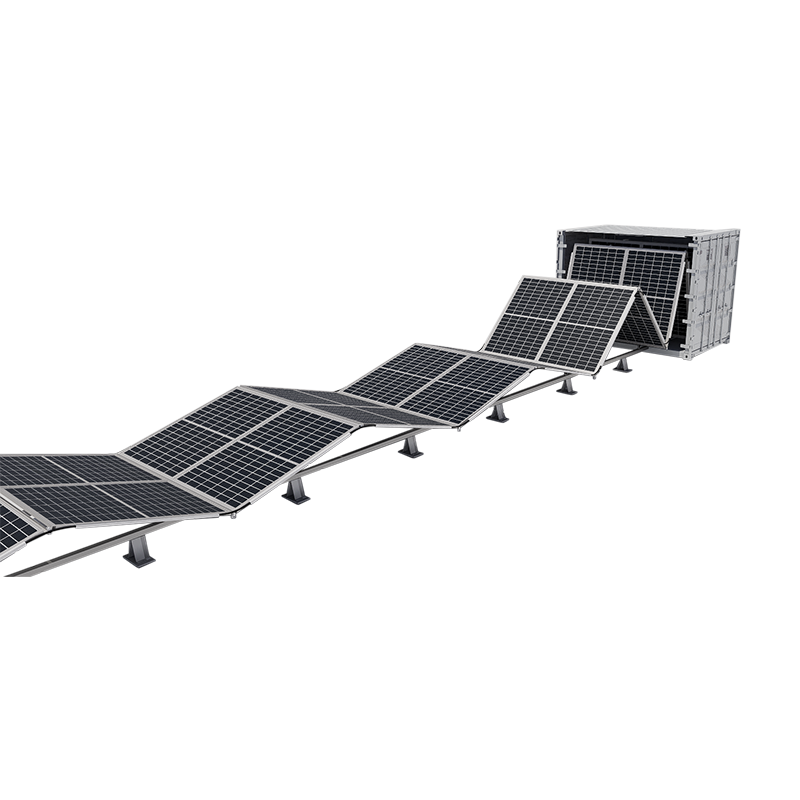
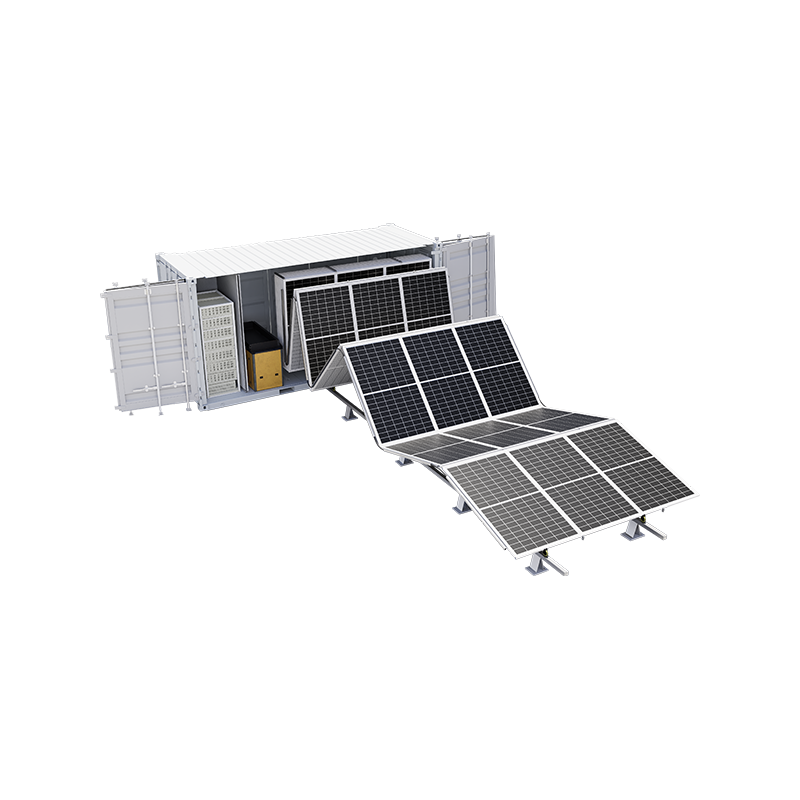
In 2025, a large aluminum mining site in Medina, Guinea, received a special set of equipment — not excavators or trucks, but five 40-foot standard shipping containers. These are no ordinary containers. Each houses a 200kWp foldable mobile photovoltaic power station, delivering a total installed capacity of 1MW. The system is equipped with 10 × 215kWh energy storage cabinets, for an overall storage capacity of 2.15MWh. The full system operates in an off-grid solar-storage integrated mode, fully independent of the municipal power grid.
PART.01 Do the Math: Savings Go Far Beyond Fuel
Operational data of the project speaks louder than any technical specifications. This 1MW solar-storage system fully replaced the mining site’s original diesel generator sets and became the primary power supply. Solar power is generated during the day, with surplus electricity stored in energy storage cabinets. At night or on cloudy/rainy days, the storage system discharges to guarantee power supply. Mining equipment, camp domestic power and night lighting run stably around the clock.
Annual Fuel Cost Savings Exceed One Million Yuan
More importantly, the system can be relocated and reused along with mining operations. When the site moves, the containers are folded, transported as complete units to the new location, and redeployed within 4 hours. For phased, mobile operation scenarios such as mines, this eliminates sunk costs for fixed assets. The economic benefits are equally tangible: fuel, transportation and operation & maintenance costs for diesel generators are greatly reduced. Annual fuel cost savings exceed one million yuan, with annual carbon reduction of over 1,000 tons.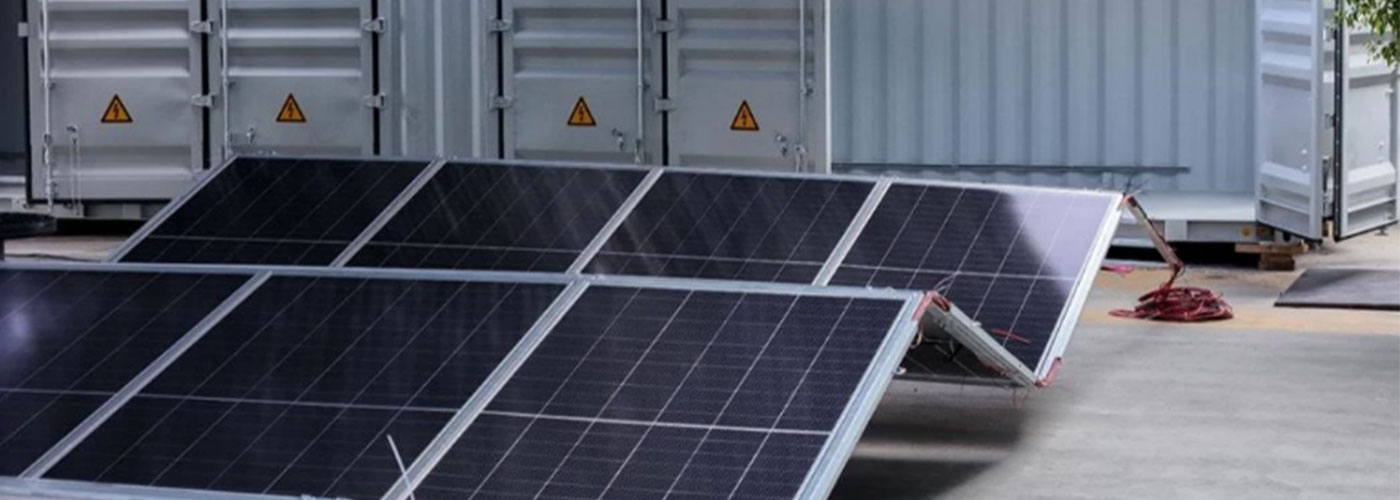
From Mines to the Globe: The Blueprint of Zero-Carbon Mobile Energy
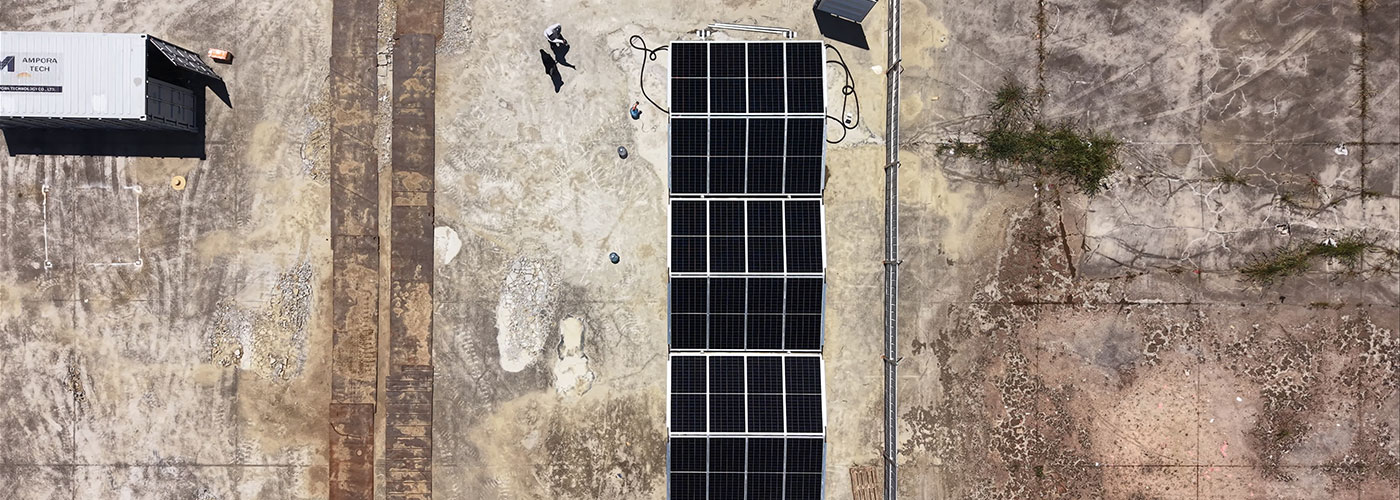
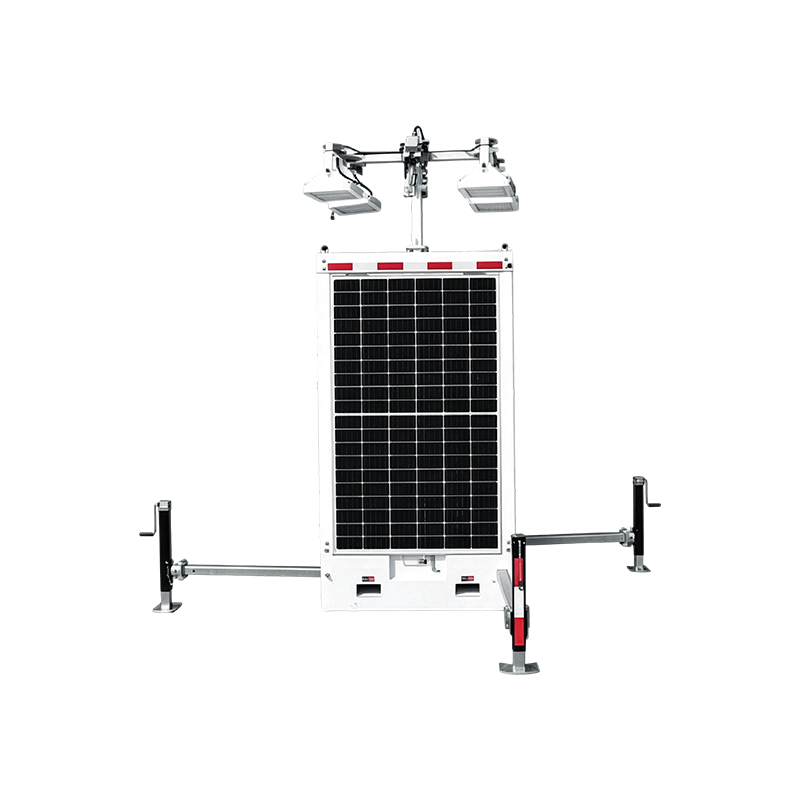
The Guinea project is not an isolated case. From the zero-carbon mobile off-grid power supply system in the Gannan pastoral area, to the "power station on yaks" on the northern Tibetan Plateau, from solar-storage-diesel integrated equipment for construction sites on western highlands, to the 1MW foldable container photovoltaic system at this West African mine — zero-carbon mobile energy is evolving from demonstration projects to standard solutions.
Last-Mile Service Capability
These scenarios share common features: no grid coverage, heavy reliance on diesel, and mobile work sites. The challenges that traditional fixed photovoltaic systems cannot solve — relocatable reuse, rapid deployment, and adaptability to extreme environments — are where mobile PV excels. For global rollout of this solution, last-mile service capacity is critical. When equipment arrives in Guinea, the Congo or Peru: who performs installation? Who handles breakdown repairs? How are spare parts secured?
LONGi Green Energy’s "2830 Plan"
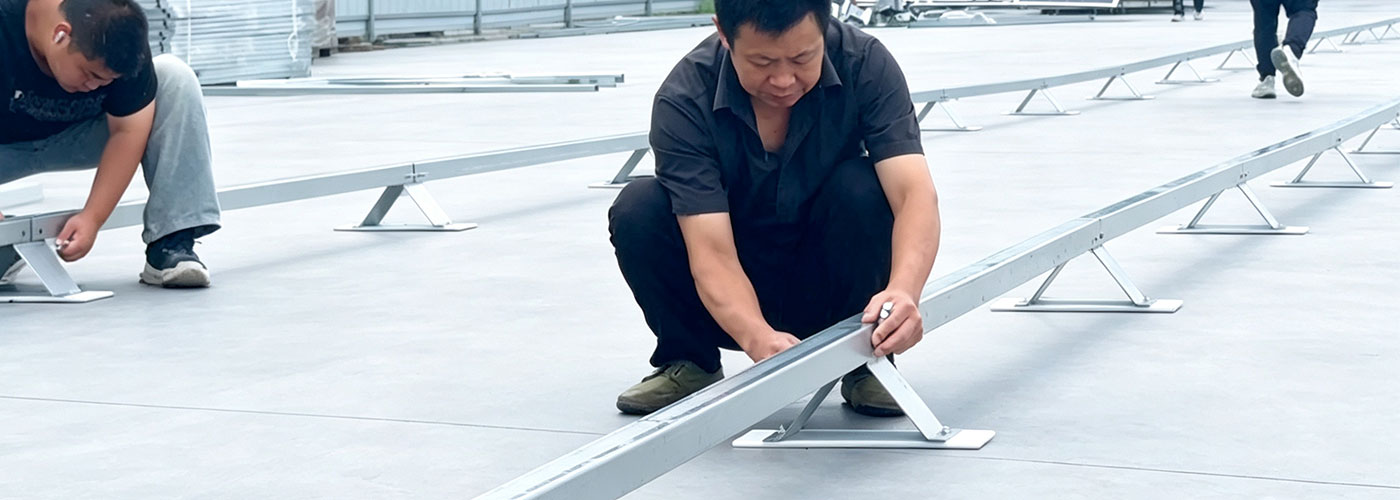
Longi Green Energy’s "2830 Plan" addresses this challenge. By the end of 2028, 30 all-round local service centers will be built across major global solar-storage integrated markets, covering the full value chain: preliminary planning, solution design, delivery & implementation, and full-lifecycle operation management. In April 2026, the solar-storage technical service center in Madrid, Spain was put into operation as the first site, marking accelerated progress of this global layout.
From the red soil of Guinea’s mining sites to Longi’s global service network, a clear thread emerges. The value of zero-carbon mobile energy lies not merely in diesel replacement, but in redefining power supply — freeing electricity from grid constraints and bringing clean energy to the world’s most remote corners. In Guinea, these containers do more than generate power. They prove one thing: Green energy can be highly flexible.
You May Also Like
Copyright © Ampora Technology Co., Ltd. All Rights Reserved.
Mobile Solar Container Manufacturers Solar Power Container Solution