

 English
 русский
 عربى
عربى 04/09/2026 Industry
Mobile Surveillance Towers: Key Features & Operational Guide
Content
Core Technical Architecture and Hardware Integration
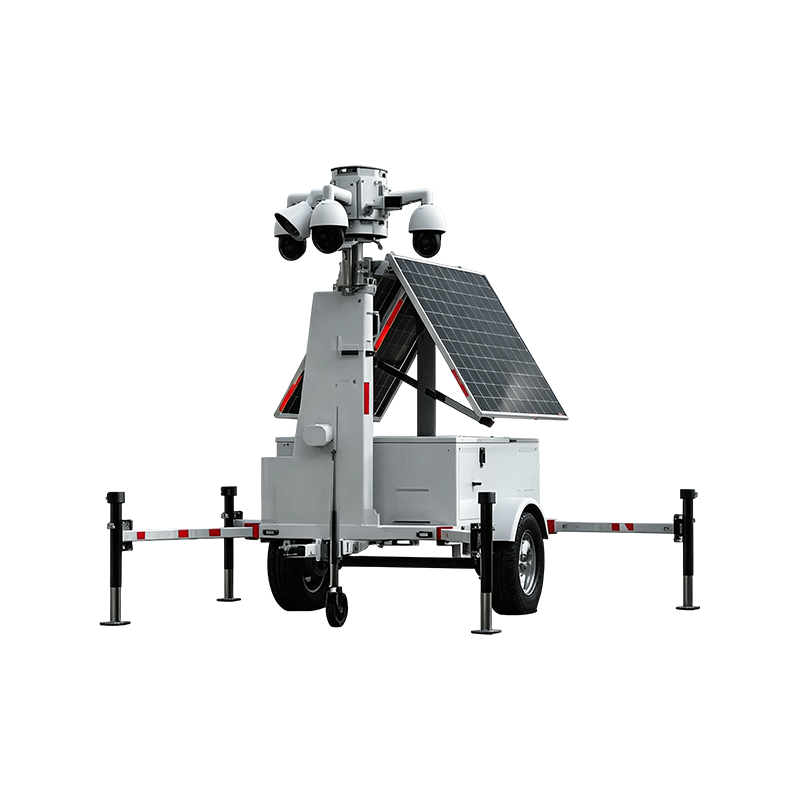
A mobile surveillance tower is not merely a camera on a pole; it is a complex integration of power generation, data transmission, and optical hardware housed within a ruggedized trailer. The structural integrity of the mast is critical, typically constructed from galvanized steel or aluminum to withstand wind loads up to 100 km/h while extended to heights of 7 to 9 meters. This elevation provides a clear line of sight over obstacles like fencing, vehicles, or terrain variations, significantly expanding the field of view compared to ground-level units.
| Component | Typical Specification | Operational Benefit |
|---|---|---|
| Optical System | 4K PTZ with 30x Zoom | Identify faces/plates at 100m+ |
| Power Source | Solar + LiFePO4 Battery | 7-14 days autonomy without sun |
| Connectivity | 4G/5G LTE Router | Real-time remote access |
| Storage | 2-4TB NVR (Network Video Recorder) | 30-60 days local retention |
| Lighting | LED Floodlights (Motion Activated) | Deterrence & night vision support |
Power Autonomy and Energy Management
The reliability of a mobile surveillance tower depends heavily on its power subsystem. Modern units utilize high-efficiency monocrystalline solar panels paired with Lithium Iron Phosphate (LiFePO4) batteries, which offer 3,000+ charge cycles and superior performance in extreme temperatures compared to traditional lead-acid batteries. An intelligent power management system (PMS) monitors consumption and can switch cameras to low-power modes or reduce frame rates during prolonged cloudy periods to ensure continuous 24/7 operation.
AI Analytics and Intelligent Detection Capabilities
The true value of modern mobile surveillance lies in its software, specifically Artificial Intelligence (AI) analytics that transform raw video into actionable intelligence. Instead of requiring a human operator to watch hours of footage, edge-computing processors within the tower analyze video streams in real-time to detect specific threats.
- Human and Vehicle Classification: Advanced algorithms distinguish between people, cars, trucks, and animals, reducing false alarms from moving trees or shadows by over 90%.
- Intrusion Zone Mapping: Users can define virtual perimeters. If a person crosses this line, the system triggers an immediate alert, activates floodlights, and sends a push notification to security personnel.
- License Plate Recognition (LPR): High-zoom optics combined with OCR software can log vehicle plates entering or exiting a site, creating an automated audit trail for logistics and access control.
- Loitering Detection: The system can flag individuals who remain in a sensitive area for a predefined duration, indicating potential reconnaissance or theft preparation.
These AI features are processed locally on the device (edge computing), which minimizes bandwidth usage by only transmitting alert clips rather than continuous 4K video streams, a crucial factor for sites with limited cellular data plans.
Strategic Deployment and Site Optimization
Maximizing the effectiveness of a mobile surveillance tower requires careful consideration of placement and environmental factors. Unlike fixed cameras, these units offer flexibility, but poor positioning can still result in blind spots or glare issues.
Line-of-Sight and Height Considerations
To achieve optimal coverage, the tower should be placed at the highest point of the site if possible. Obstacles such as shipping containers, large machinery, or dense vegetation can block the camera's view. A general rule of thumb is that for every 1 meter of height, the visible horizon extends approximately 3.5 kilometers, though practical security monitoring focuses on the immediate 100-200 meter perimeter. Ensuring the mast is fully extended and leveled is critical for accurate PTZ tracking and AI detection zones.
Cellular Signal and Data Management
Since most mobile towers rely on cellular networks for remote access, signal strength is paramount. Before deployment, use a signal meter to verify 4G/LTE reception at the specific location. If signal is weak, consider external high-gain antennas. Additionally, configure the NVR to use H.265+ compression, which reduces file sizes by 50-70% compared to older H.264 standards, allowing for longer storage retention and lower data transmission costs.
Maintenance Protocols and Longevity Factors
While designed for rugged outdoor use, mobile surveillance towers require regular maintenance to ensure consistent performance and extend their operational lifespan beyond the typical 5-7 year asset cycle.
- Panel Cleaning: Dust, bird droppings, and pollen can reduce solar charging efficiency by 15-25%. Clean panels monthly with water and a soft brush, especially in arid or industrial environments.
- Lens Inspection: Check camera lenses for spider webs, dirt, or condensation. Use lens cleaning solution and microfiber cloths to maintain image clarity. Verify that wiper blades (if equipped) are functional.
- Battery Health Checks: Monitor battery voltage and state of health (SOH) via the remote management portal. Look for signs of swelling or corrosion on terminals. Replace batteries when capacity drops below 80% of original rating.
- Structural Integrity: Inspect mast hinges, cables, and trailer tires before each move. Ensure locking pins are secure when the mast is deployed to prevent accidental lowering during high winds.
Implementing a preventive maintenance schedule not only prevents unexpected downtime but also protects the warranty status of high-value components like the PTZ camera and battery bank. Most manufacturers require proof of regular maintenance for warranty claims related to power or optical failures.
You May Also Like

Copyright © Ampora Technology Co., Ltd. All Rights Reserved.
Mobile Solar Container Manufacturers Solar Power Container Solution