

 English
 русский
 عربى
عربى 04/09/2026 Industry
Integrated Containerized Solar Power: Turnkey Energy Solutions
Content
Plug-and-Play Renewable Energy Infrastructure
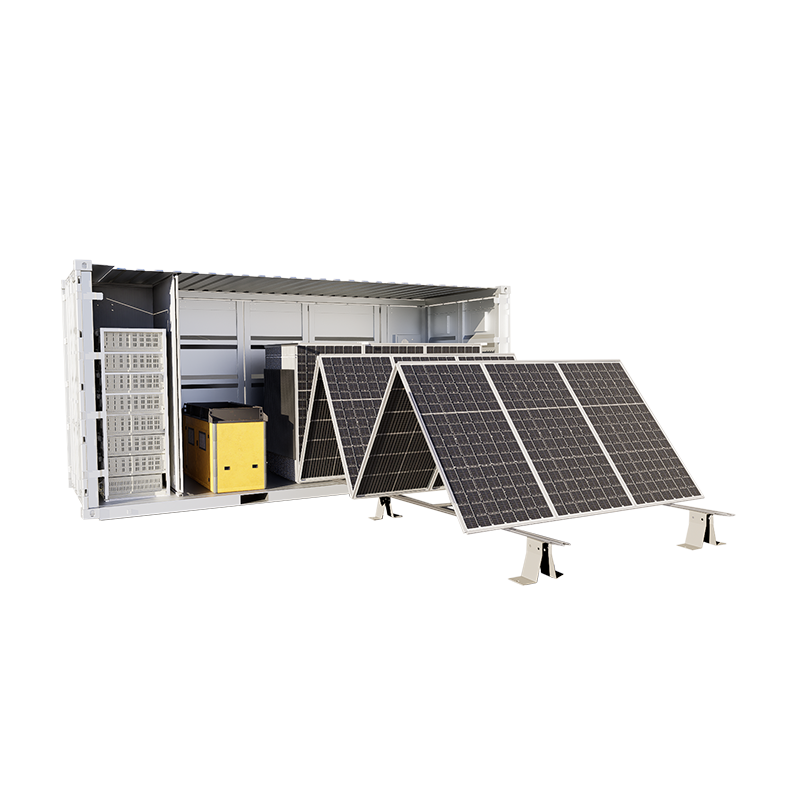
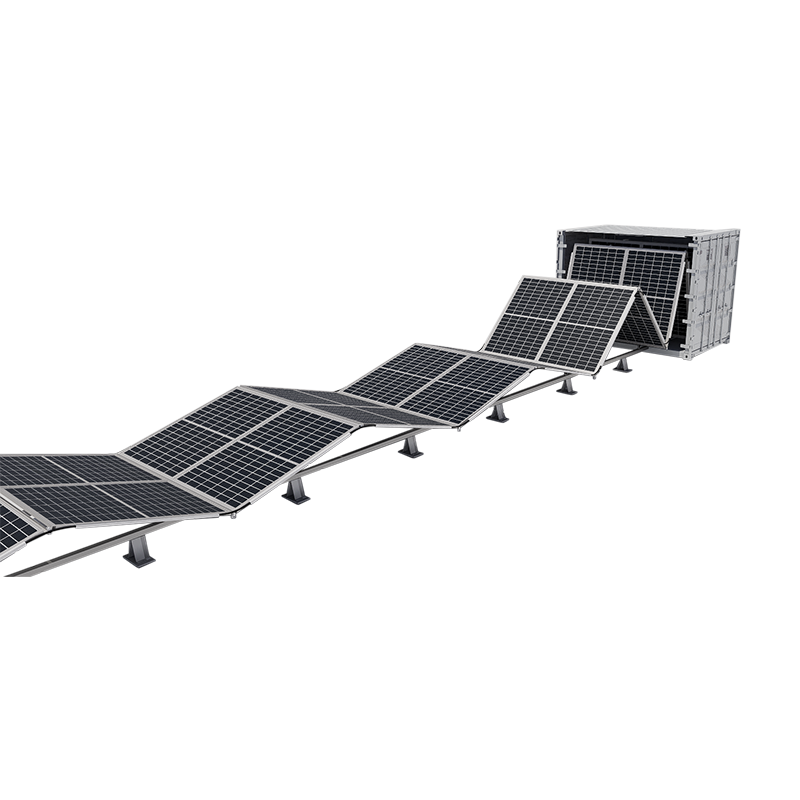
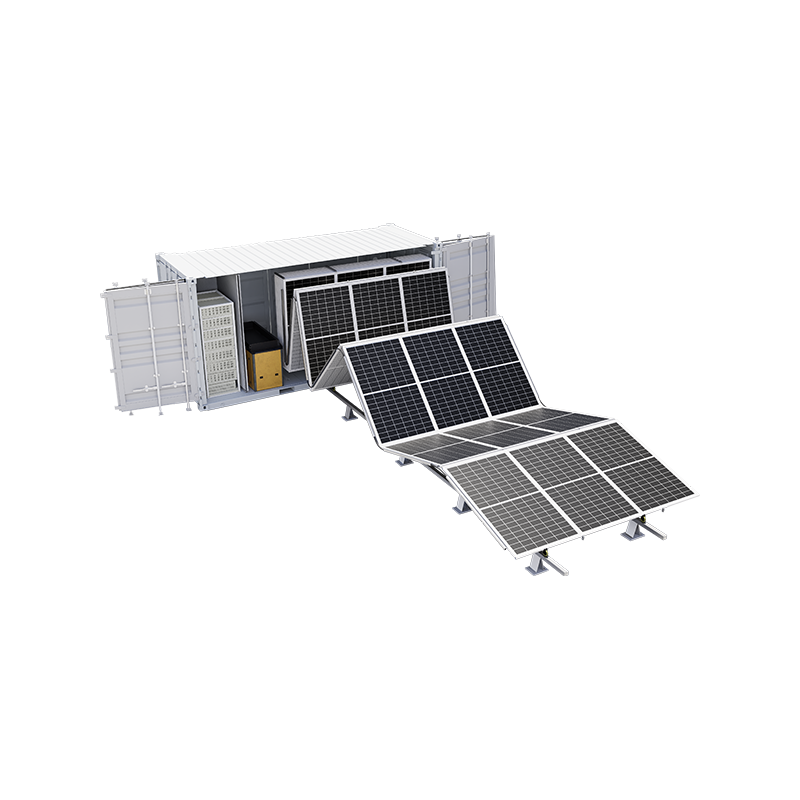
Integrated containerized solar power generation systems are self-contained, factory-assembled energy units housed within standard ISO shipping containers (typically 20ft or 40ft). These systems combine photovoltaic arrays, lithium-ion battery storage, hybrid inverters, and switchgear into a single, transportable module capable of delivering 50kW to 500kW of continuous AC power. By eliminating on-site civil works and complex wiring, these units reduce deployment time from months to under 72 hours, providing immediate grid-independent or grid-supportive power for industrial sites, remote communities, and emergency response operations.
The core value proposition lies in the "plug-and-play" architecture. Unlike traditional solar farms that require separate procurement of panels, inverters, and batteries followed by months of on-site integration, containerized systems arrive fully tested and commissioned. This approach minimizes project risk, ensures consistent quality control through factory assembly, and allows for easy relocation when project timelines end.
System Architecture and Key Components
An integrated containerized system is engineered to maximize energy density within the confined space of a shipping container while maintaining thermal stability and serviceability. The internal layout is optimized for airflow and cable management.
| Component | Specification | Role in System |
|---|---|---|
| PV Array | 100kW - 150kW Monocrystalline | Primary DC power generation |
| Energy Storage | 200kWh - 400kWh LiFePO4 | Load shifting & backup autonomy |
| Hybrid Inverter | 100kW Bi-directional | DC/AC conversion & grid synchronization |
| HVAC System | Industrial Precision Cooling | Maintains 20-25°C internal temp |
| Fire Suppression | FM-200 or Aerosol Based | Rapid detection & extinguishing |
Thermal Management and Safety Integration
High-density battery packs generate significant heat during charge/discharge cycles. Integrated systems utilize liquid-cooled or forced-air HVAC systems specifically calibrated for battery longevity, keeping cell temperatures within a narrow 20-25°C range. This precision cooling extends battery cycle life by 30-40% compared to passive air-cooled designs. Additionally, multi-layered fire suppression systems with smoke, heat, and gas detectors provide automatic shutdown capabilities, meeting NFPA 855 and IEC 62933 safety standards.
Economic Advantages and Deployment Speed
The financial case for containerized solar hinges on reduced soft costs and accelerated revenue generation. Traditional solar projects incur high engineering, procurement, and construction (EPC) overheads due to site-specific design challenges. Containerized units bypass most of these expenses.
- Reduced CAPEX: Factory assembly lowers labor costs by 20-30% compared to field installation. Bulk purchasing of standardized components further drives down unit costs.
- Faster ROI: With deployment times measured in days rather than months, energy generation begins immediately. For commercial users, this means avoiding peak demand charges sooner.
- Modular Scalability: Need more power? Simply add another container. This "pay-as-you-grow" model avoids overbuilding infrastructure and allows capacity to match load growth precisely.
- Relocation Value: At project end, the unit can be disconnected, loaded onto a truck, and moved to a new site. This preserves 60-70% of asset value, unlike fixed ground-mount systems which often have negative decommissioning costs.
For temporary mining operations or construction sites lasting 2-5 years, the ability to redeploy the asset eliminates the sunk cost associated with permanent infrastructure, making the effective annual cost significantly lower than traditional builds.
Ideal Use Cases and Operational Scenarios
While versatile, integrated containerized solar systems are particularly suited for environments where speed, mobility, or grid instability are critical factors.
Remote Industrial and Mining Operations
Mining sites often rely on expensive diesel generators located hundreds of kilometers from fuel sources. A 500kW containerized solar-diesel hybrid system can offset 40-60% of diesel consumption, reducing fuel logistics risks and carbon taxes. The ruggedized container design withstands harsh dust and temperature extremes common in remote extraction zones.
Disaster Relief and Emergency Power
In post-disaster scenarios where grid infrastructure is destroyed, containerized units serve as immediate microgrid hubs. They can power field hospitals, communication centers, and water purification systems without requiring fuel supply chains. Their self-contained nature allows them to operate independently for weeks, providing critical lifeline services when conventional power is unavailable.
Grid Support and Peak Shaving
Urban commercial facilities facing high demand charges can deploy containerized storage-solar units on parking lots or unused land. These systems discharge during peak afternoon hours, reducing grid draw and avoiding penalty rates. Advanced EMS (Energy Management Systems) allow for automated participation in demand response programs, generating additional revenue streams beyond simple self-consumption.
Maintenance Requirements and Lifecycle Management
Despite their robust design, integrated containerized systems require structured maintenance to ensure 20+ year operational life. The closed-loop nature simplifies many tasks but introduces specific checks related to sealed environments.
- Quarterly HVAC Filter Replacement: Clogged filters reduce cooling efficiency, leading to battery derating. Replace every 3-6 months depending on dust levels.
- Annual Battery Health Check: Perform impedance testing and state-of-health (SOH) analysis. Most LiFePO4 batteries maintain >80% capacity for 10 years, but early detection of weak cells prevents system imbalance.
- PV Panel Cleaning: Even in containerized setups, external panels accumulate dirt. Automated cleaning robots or quarterly manual washing maintains 95-98% energy yield.
- Fire System Inspection: Verify pressure gauges on suppression agents and test smoke detectors annually. Ensure no obstructions block nozzle paths inside the container.
Most manufacturers offer remote monitoring via 4G/Starlink connections, allowing technicians to diagnose issues before dispatching personnel. This predictive maintenance model reduces downtime by over 50% compared to reactive repair strategies, ensuring maximum availability for critical power needs.
You May Also Like
Copyright © Ampora Technology Co., Ltd. All Rights Reserved.
Mobile Solar Container Manufacturers Solar Power Container Solution