

 English
 русский
 عربى
عربى 04/09/2026 Industry
Mobile Solar Towers: Deployable Off-Grid Power Solutions
Content
Immediate Power Access Without Grid Infrastructure
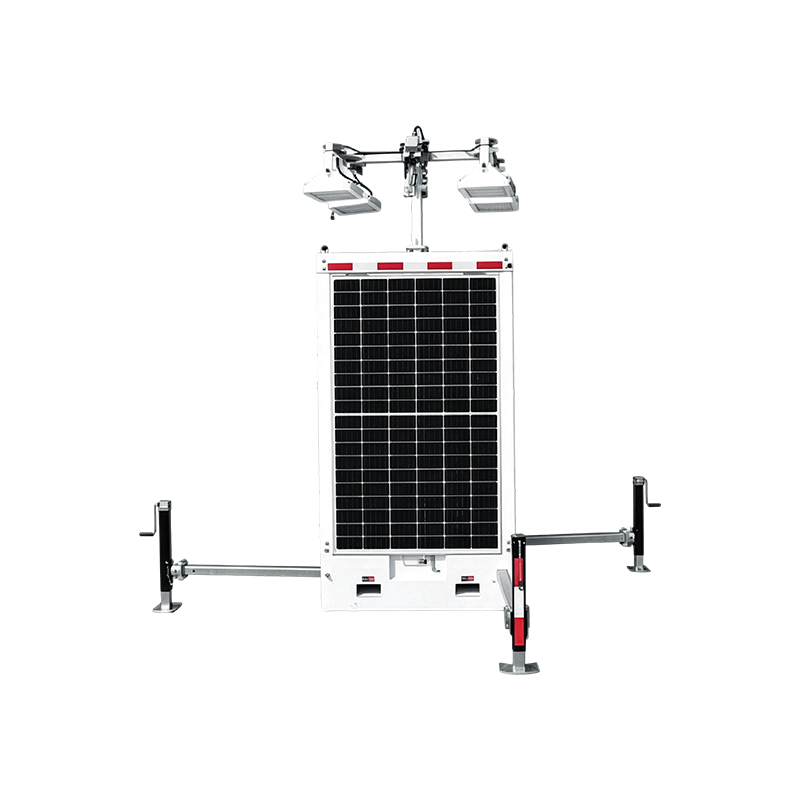
Mobile solar towers are self-contained, trailer-mounted renewable energy systems designed to deliver 5kW to 20kW of continuous AC power directly to remote or temporary locations without grid connection. Unlike fixed solar arrays, these units feature telescopic masts that deploy in under 60 minutes, providing immediate electricity for construction sites, disaster relief zones, military operations, and outdoor events.
The primary advantage over traditional diesel generators is the elimination of fuel logistics and emissions. A standard 10kW mobile solar tower with integrated battery storage can offset approximately 3,500 gallons of diesel annually, reducing operational costs by up to 80% while ensuring silent, zero-emission power generation critical for noise-sensitive environments like film sets or residential areas.
Core Technical Specifications and Components
Understanding the engineering behind mobile solar towers is essential for selecting the right unit for specific load requirements. These systems integrate photovoltaics, energy storage, and power conversion into a single towable chassis.
| Component | Typical Specification | Function |
|---|---|---|
| PV Array Capacity | 4kW – 12kW | Foldable panels on telescopic mast |
| Battery Storage | 20kWh – 100kWh LiFePO4 | Nighttime/cloudy day autonomy |
| Inverter Output | 5kW – 20kW Pure Sine Wave | Grid-compatible AC power |
| Mast Height | 7m – 12m Extended | Shade avoidance & wind clearance |
| Deployment Time | < 60 Minutes | Hydraulic/electric auto-leveling |
Telescopic Mast Engineering
The defining feature of a mobile solar tower is its retractable mast system. Modern units utilize pneumatic or hydraulic telescoping mechanisms that raise foldable PV panels from a compact transport position to full vertical extension. This design allows the unit to be towed at highway speeds (up to 100 km/h) while maximizing solar capture area when stationary. The mast also serves as a lightning rod point and often includes mounting points for security cameras or communication antennas.
Economic Viability Versus Diesel Generation
While the upfront capital expenditure for a mobile solar tower is higher than a comparable diesel generator, the total cost of ownership (TCO) favors solar in most temporary power scenarios due to zero marginal fuel costs and reduced maintenance.
- Fuel Savings: At $4.00/gallon diesel, a 10kW generator running 12 hours/day costs ~$48/day. A mobile solar tower reduces this to <$5/day for backup fuel.
- Maintenance Reduction: Diesel generators require oil changes every 250 hours. Solar towers have no moving engine parts, limiting maintenance to annual battery checks and panel cleaning.
- Carbon Tax Avoidance: In jurisdictions with carbon pricing (e.g., EU ETS, Canada), eliminating 15 tons of CO2/year per unit avoids significant regulatory fees.
- Resale Value: Mobile solar assets typically retain 60-70% residual value after 5 years, whereas diesel generators depreciate to 20-30% in the same period.
For projects lasting longer than 18 months, the break-even point against diesel rental is typically achieved between month 14 and month 22, depending on local fuel prices and solar irradiance levels.
Critical Deployment and Site Assessment Factors
Successful implementation requires more than just parking the unit. Site-specific variables directly impact energy yield and system reliability.
Solar Resource and Shading Analysis
Mobile solar towers require unobstructed southern exposure (in Northern Hemisphere). Even partial shading on foldable arrays can reduce output by 30-50% due to string mismatch losses. Pre-deployment tools like solar pathfinders or drone-based LIDAR surveys should confirm >95% solar window availability between 9 AM and 3 PM year-round.
Load Profile Matching
These systems excel at daytime-dominant loads but struggle with high nighttime demand unless oversized battery banks are specified. Key considerations include:
- Peak vs. Continuous Load: Ensure inverter surge capacity exceeds motor startup currents (typically 3x rated power).
- Autonomy Requirements: Calculate required kWh storage based on worst-case month irradiance, not annual average.
- Hybrid Integration: For 24/7 critical loads, specify units with automatic generator start integration to maintain 99.9% uptime SLA.
Regulatory Compliance and Safety Standards
Mobile solar towers operate at the intersection of electrical safety, road transport regulations, and workplace health standards. Compliance is non-negotiable for insurance and liability.
- Electrical Certification: Units must carry UL 1741 (inverters), UL 9540 (battery storage), and NEC Article 690 compliance for US installations. IEC 62109 applies internationally.
- Transport Regulations: Trailer must meet DOT/FMVSS standards for lighting, braking, and weight distribution. Lithium batteries require UN38.3 testing documentation for cross-border transport.
- Wind Rating: Masts should be certified to withstand minimum 100 km/h winds in deployed position, with automatic stow triggers at lower thresholds (typically 60-70 km/h).
- Grounding: Temporary grounding rods (min 8ft copper-clad steel) are mandatory at every deployment site to prevent shock hazards and equipment damage.
Always verify that the manufacturer provides a complete compliance dossier including third-party test reports, not just self-declarations. Insurance providers increasingly require this documentation before covering mobile renewable assets on job sites.
You May Also Like

Copyright © Ampora Technology Co., Ltd. All Rights Reserved.
Mobile Solar Container Manufacturers Solar Power Container Solution