

 English
 русский
 عربى
16/11/2026 Industry
High Security Container Design for Integrated Containerized Solar Power Generation System
Content
A solar container sitting on a remote construction site has a simple security problem: the equipment inside is valuable, the site is often unattended, and the asset must keep producing power after a fence has been cut or a lock has been forced. A high security container is not a cosmetic add-on for an Integrated Containerized Solar Power Generation System. It is part of the power architecture, because batteries, inverters, switchgear, and controls are the components most likely to stop a project when they are stolen, damaged, or tampered with.
The practical conclusion is straightforward: treat the container as a protected asset from the first site survey, not after the first incident. For a mobile container solar system, security affects uptime, insurance terms, commissioning time, and the cost of replacing specialized parts. The best time to define door hardening, access control, monitoring, and service procedures is before the equipment leaves the workshop.
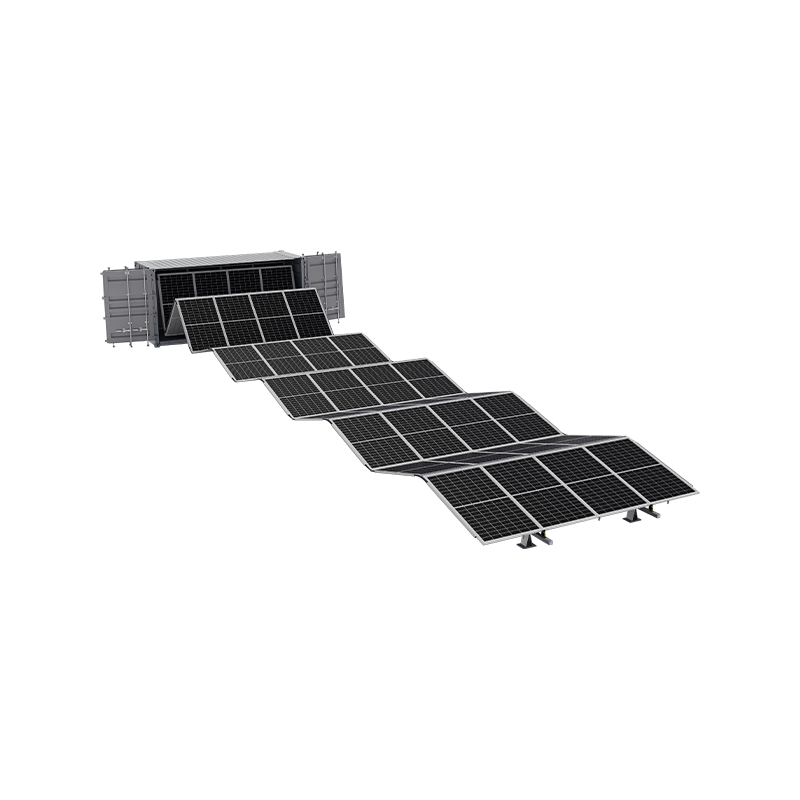 Integrated Containerized Solar Power Generation SystemsCompare modular, hybrid, PV-BESS-DG and scalable containerized solar configurations to plan secure, serviceable off-grid power before deployment.View Product →
Start With the Threat Model, Not the Lock
Begin by naming what the container must resist, because a lock chosen without a threat model is usually either expensive or ineffective. For an off-grid solar installation, the common threats are forced entry through doors or ventilation panels, covert entry by someone with a copied key, cable cutting, vandalism, and environmental intrusion such as dust or water after a panel is removed.
Security design should create delay, detection, and response. Delay comes from the container shell, protected hinges, lock boxes, and internal barriers. Detection comes from door contacts, vibration sensors, cameras, and lighting. Response comes from a nominated person who receives the alarm and can act. A high security container that records an event but sends no one is a monitoring system, not a security plan.
- Forced entry: check door skins, frame reinforcement, hinge pins, and lock protection.
- Covert entry: control keys, log access, and avoid generic padlocks on site.
- Vandalism: protect cables, external sockets, antennae, and solar connectors.
- Environmental ingress: secure ventilation and cable entries without blocking cooling.
Structural Security and Access Control
The first inspection should happen with the doors closed and the site drawings open. A shipping container is strong, but a standard cargo door is not automatically a high security door. Look for lock boxes that prevent bolt cutters from reaching the padlock shackle, crossbar locks that resist prying, internal bolts that stop door separation, and hinges that cannot be removed from outside. The details matter more than the label.
Access control should be simple enough to survive a muddy site. A two-person rule for battery rooms, a key register, and a change of locks after commissioning are basic controls. Avoid hiding spare keys inside the container or in an external meter box. If the container is used as a mobile solar power unit and moves between sites, the access procedure must travel with it.
A hybrid full-installation design can reduce site work, but only if the locked boundary is planned as carefully as the electrical layout. Otherwise, installers create new openings for cables and ventilation that weaken the security case.
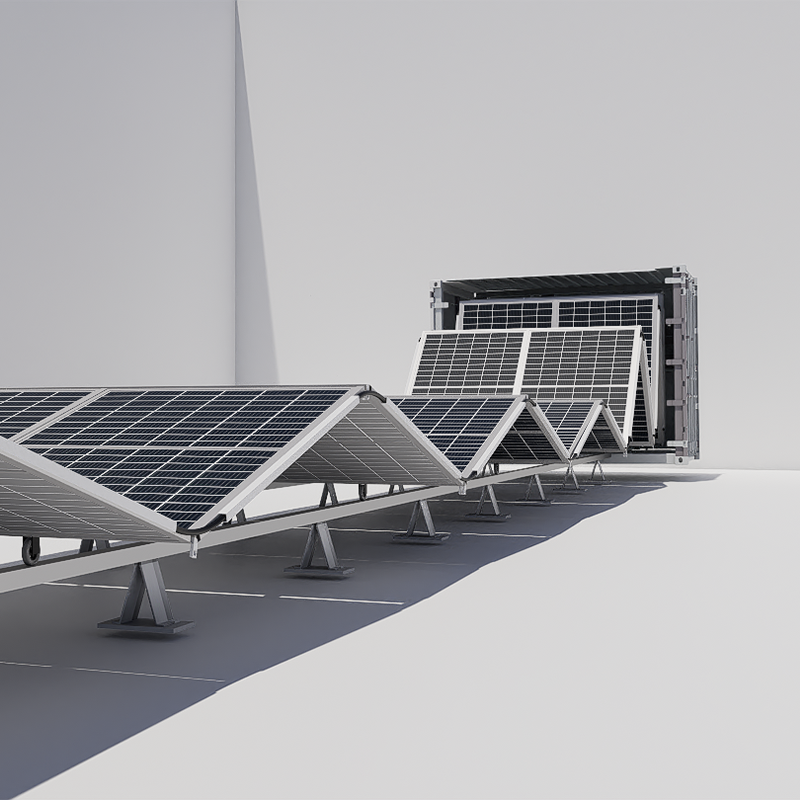 MP10HQ-58KW Hybrid Full Installation Containerized Solar SystemFactory-assembled 58 kW hybrid station in a 10HQ container with 92 TOPCon panels, battery and diesel connectivity, and one-day commissioning.View Product →
What a High Security Container Should Protect in a Solar System
Inside an Integrated Containerized Solar Power Generation System, the security boundary should follow the value and the risk. Batteries and switchgear need controlled access; inverter and control cabinets need tool access; diesel generator compartments need fuel and exhaust protection where a PV-BESS-DG design is used. Separating service access from battery access reduces the number of people who can open the most sensitive compartment.
| Security layer | What to verify | Why it matters |
|---|---|---|
| Door and lock | Lock box, crossbar, internal bolts, protected hinges, key control | Increases the time needed for forced or quiet entry |
| Compartment separation | Battery room, inverter area, generator bay, service access | Limits who can reach high-voltage or high-value equipment |
| Cable and vent protection | Glands, grilles, removable panels, drainage, filters | Stops small openings from becoming easy access points |
| Monitoring | Door contacts, camera coverage, alarm routing, event logging | Converts detection into a response before damage spreads |
| Site interface | Lighting, fencing, parking position, approach route | Reduces blind spots and makes tampering easier to notice |
A high security container should also keep water and dust out while maintaining ventilation. Security that blocks cooling can cause battery overheating, and a ventilation opening that is easy to remove can admit both water and people.
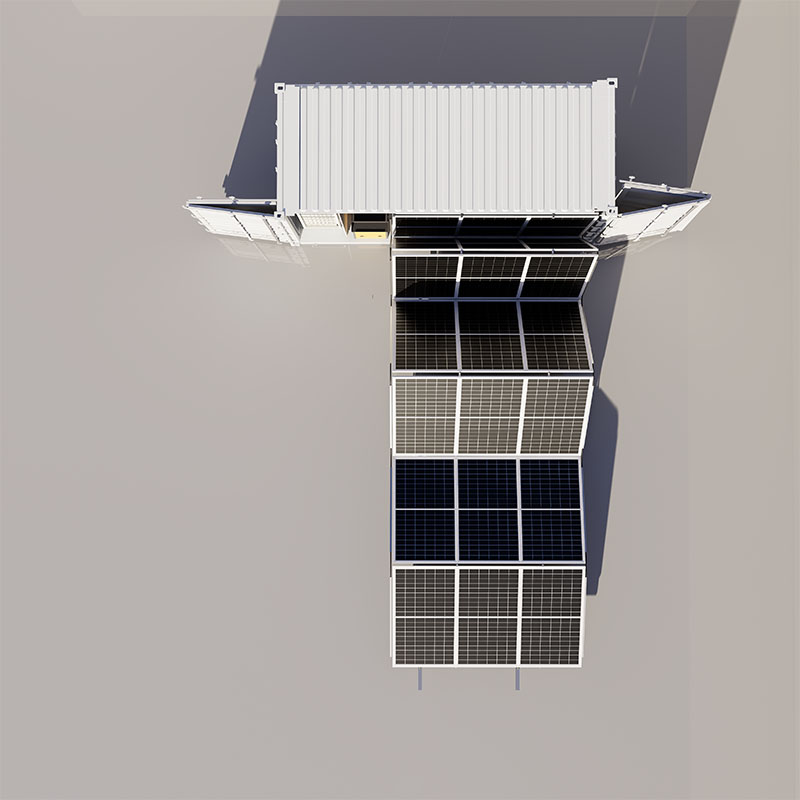 MP20HQ-78KW/128KWH PV+BESS+DG Integrated Container SystemCombines 78 kWp PV, 128 kWh battery storage and a 75 kVA diesel generator in a 20HQ plug-and-play container with EMS monitoring for off-grid hybrid power.View Product →
Monitoring and Alarm Design for Unattended Sites
Monitoring is useful only when it shortens the time between intrusion and response. For an unattended mobile container solar installation, a camera without a responder is weak protection; a door alarm that sends a message to a site manager, security contractor, or remote operations center is far more valuable.
Use layers that match the site. Door contacts should cover every external opening, including ventilation and cable doors. Vibration or shock sensors can detect cutting and prying. Cameras should cover the approach route as well as the door, and lighting should be activated by movement rather than left on all night. Where fixed cameras are impractical, a mobile surveillance tower can add a visible deterrent and remote view; the operational guide on mobile surveillance towers covers the key features to compare.
- Record who receives alarms and how quickly they can attend.
- Test alarm transmission with the container in its transport position.
- Protect antennae and external cables from easy removal.
- Keep a manual override procedure for emergency services and maintenance.
Environmental and Operational Security
Security is not only theft. Heat, water, and fire can be more damaging than a forced door, especially when the container holds lithium batteries and power electronics. A well-sealed but badly ventilated container can overheat batteries; a ventilation opening that is easy to remove can admit water and people. The security design should preserve cooling paths, filter placement, and drainage while keeping fasteners and grilles protected.
For a PV-BESS-DG all-in-one layout, separate the fuel and exhaust risks from the battery and control areas. Check that fire detection is suitable for the equipment present, that emergency lighting is independent, and that service procedures do not require leaving the high security boundary open for long periods. These details influence insurance reviews, maintenance planning, and the safety of technicians working alone.
Procurement Checklist and Common Risks
Compare offers by verifiable security details, not by the phrase high security container. A supplier should be able to explain how the door, lock, ventilation, monitoring, and service access work together for the specific site.
- Ask for a door and lock specification, including anti-pry and anti-cut features.
- Confirm which compartments can be opened independently and who holds keys.
- Review camera, alarm, and communication coverage at the planned parking position.
- Check ventilation, filtration, and drainage against dust, rain, and heat.
- Require a commissioning test for alarms, lighting, and remote notifications.
- Agree on lock changes, spare key control, and warranty support after delivery.
Common risks are predictable. A security package may be priced separately and omitted; a lock may be strong but impossible to reach for routine service; an alarm may work in the workshop but lose signal on site. These issues rarely appear on a quotation, but they appear quickly in operation.
For mobile container solar projects, the security question is practical: can the asset keep working when the site is dark, remote, and lightly staffed? An Integrated Containerized Solar Power Generation System that is designed with a high security container boundary, controlled access, monitoring, and clear service procedures is easier to insure, easier to operate, and less likely to lose critical power because a door was left open or a lock was cut. Ampora Technology's containerized solar range gives project teams a place to start the comparison, but the final decision should be based on the site threat model, the equipment inside, and the response capability behind the alarm.
You May Also Like
Copyright © Ampora Technology Co., Ltd. All Rights Reserved.
Mobile Solar Container Manufacturers Solar Power Container Solution